


What It Really Takes to Work with Elite Athletes
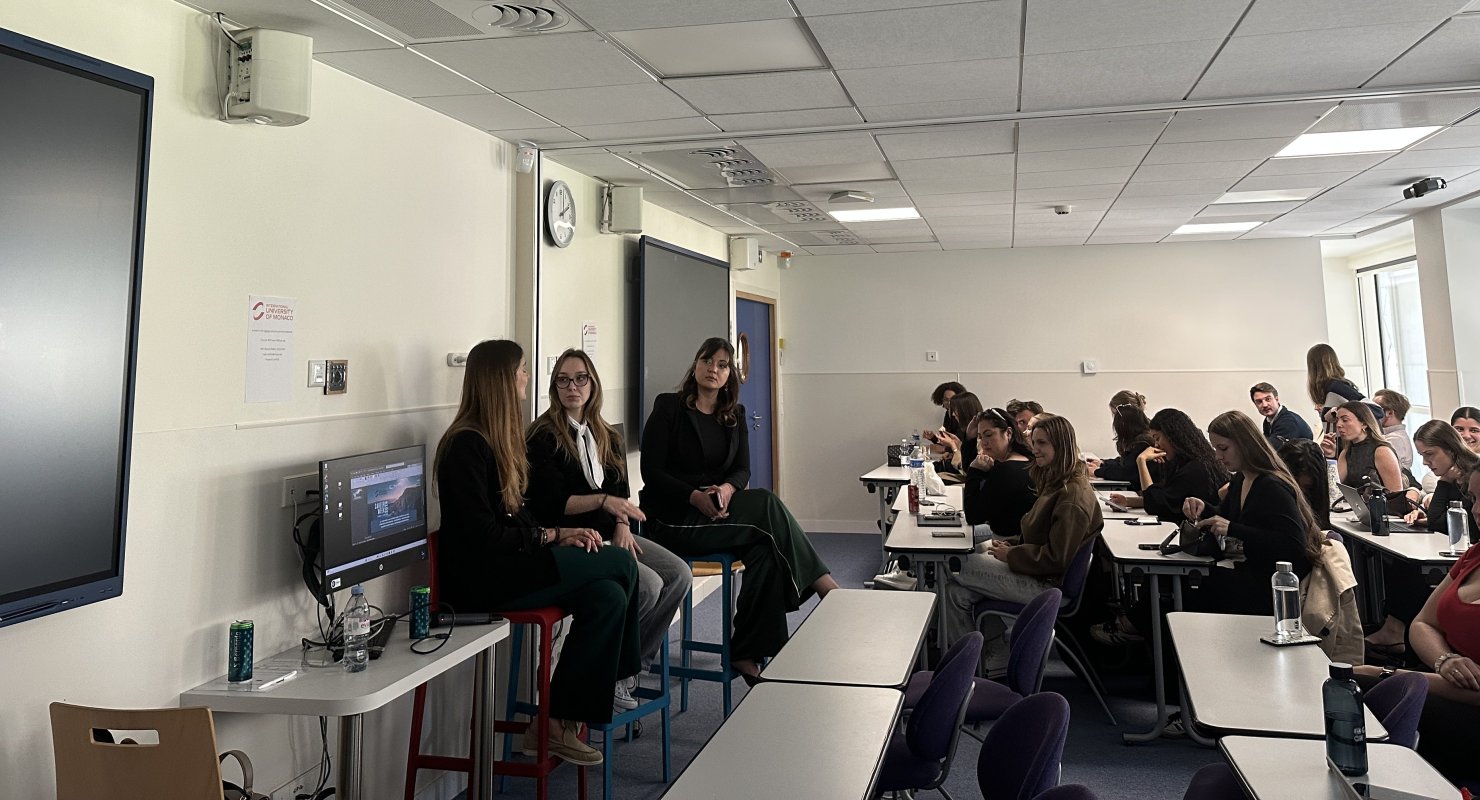
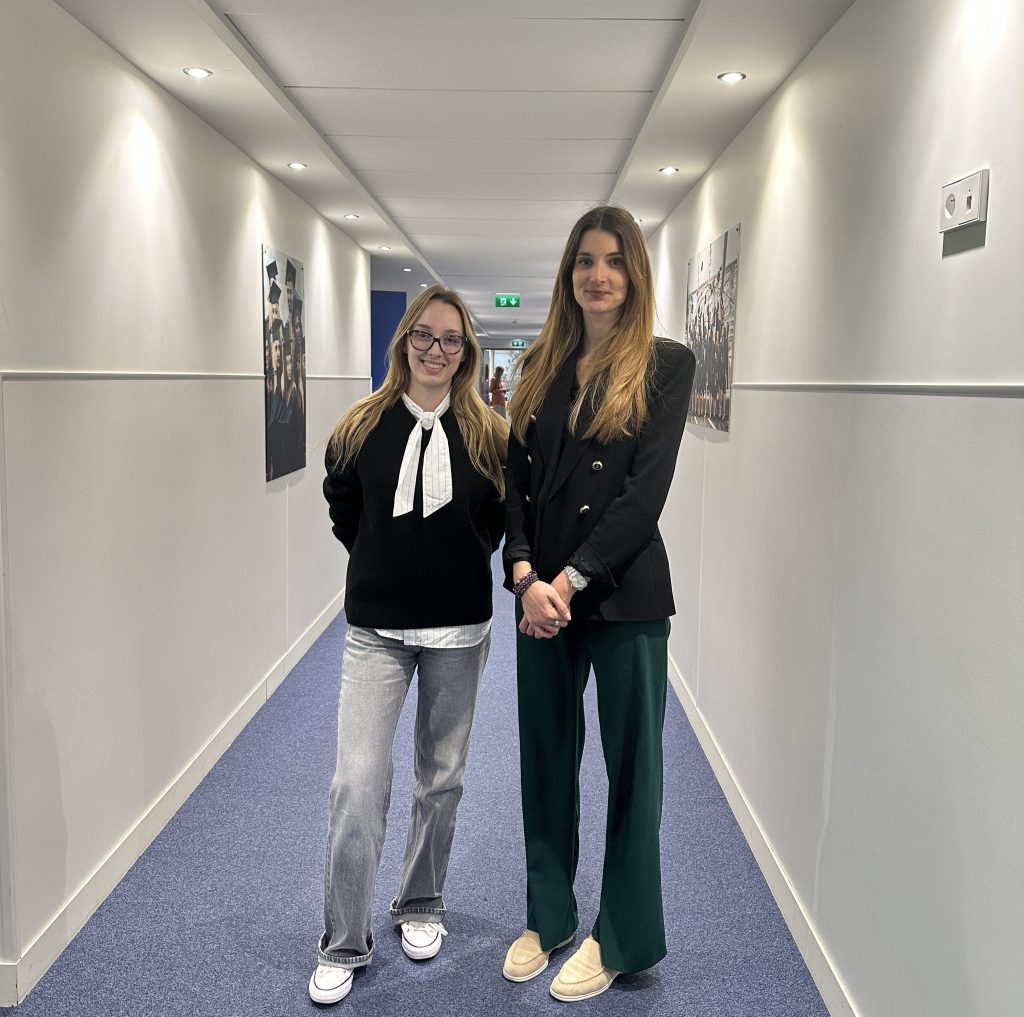
As part of its Career Week, the International University of Monaco welcomed Elena Milovanovic Avramovic, Founder of The Agency, alongside Nastasia Dormeuil and Laura Pochylski from All Time.
Bringing together expertise in both athlete representation and day-to-day management, the session offered students a comprehensive perspective on the realities of working in the sports industry.
Far from the glamour often associated with professional sport, their insights revealed a demanding profession built on trust, adaptability, and constant availability, where managing an athlete means navigating both performance and personal dimensions.
More Than a Job: A 24/7 Commitment
Working in sports management goes far beyond contracts and transfers.
Agents and teams like All Time focuses on negotiations and career strategy, but they are involved in the daily lives of athletes as well, managing everything from logistics to personal matters.
Supporting an athlete means being present at all times, both on and off the field. This role demands constant availability, adaptability, and an exceptional ability to multitask.
There are no fixed working hours, no real holidays, and no predictable routine.
Invisible Excellence
In an environment where athletes are the true stars, one principle stands out clearly: there is no room for ego.
This goes beyond attitude; it directly shapes the quality of the professional relationship. Agents and managers operate in the background, making critical decisions without public recognition. Their role is not to be visible, but to be effective. Recognition comes through the athlete’s achievements, making humility not just a value, but a necessity.
Passion, Discipline, and Emotional Control
While passion is essential, it must be controlled.
The speakers highlighted a paradox: being too emotionally involved can become a limitation. In high-pressure environments, decisions must be driven by clarity and objectivity, not admiration.
This is especially true during matches or key events. Even when present, managers are not spectators. Their attention is on performance, risk, and consequences, such as injuries or contractual implications.
Maintaining this level of control requires discipline and clear boundaries: being a fan in private, but a professional at work.
Teamwork and Responsibility
Despite the perception of independence, sports management is inherently collaborative.
Behind every athlete is a network of professionals: agents, account managers, legal advisors, working in coordination. Alignment between these roles is essential to ensure consistency and efficiency.
At the same time, individuals must know how to act independently. The pace of the industry often requires quick decisions under pressure.
Mistakes are inevitable. What matters is the ability to manage them, responding constructively, learning quickly, and maintaining trust.
Confidentiality is equally critical, as handling sensitive information with discretion is key to long-term relationships.

A Career of Dedication
A career in sports management demands far more than a technical skillset; it requires a specialized mindset defined by resilience, adaptability, and an unwavering work ethic. In an industry where professional boundaries are fluid and constant availability is the standard, the level of commitment is undeniably rigorous. However, this dedication yields profound rewards, as the opportunity to navigate challenges and directly contribute to an athlete’s journey fosters a deep sense of professional purpose.
To truly grasp these complexities, here at IUM initiatives like Career Week serve as an essential bridge, providing an invaluable, unfiltered look at how the industry functions in practice and preparing the next generation for the realities of the field.
For more information about our study programs, check our website
If you have any questions, contact the admissions team at admissions@monaco.edu
Last update on