


Private Equity and the Power of Lifestyle
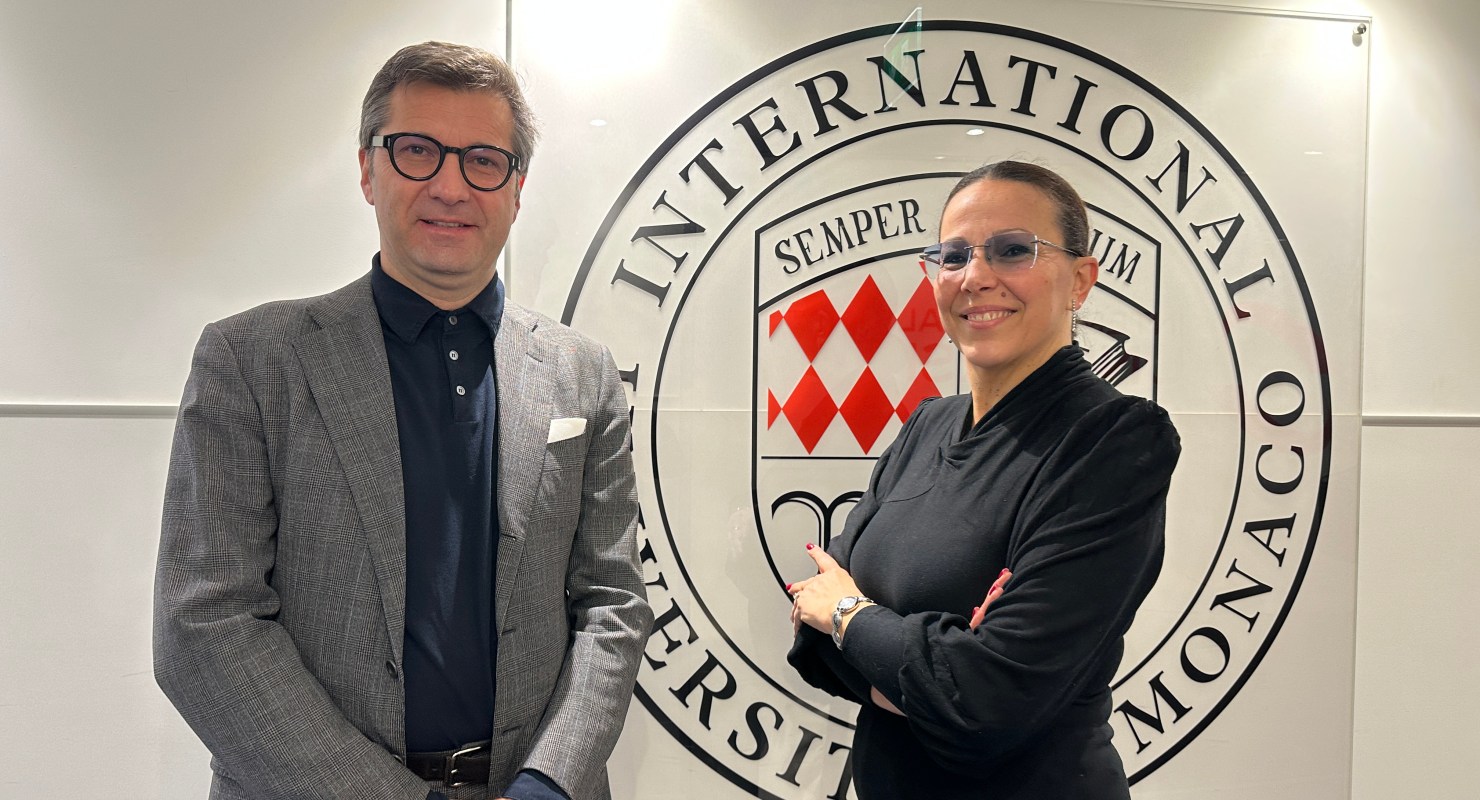
During IUM Career Week, students had the opportunity to attend an insightful finance session led by Filippo Cavalli, partner at Quadrivio Group. The talk offered a deep dive into the world of private equity, with a particular focus on the lifestyle sector, an area where Quadrivio has developed a highly specialized and distinctive investment strategy.
A Vertical Approach to Lifestyle Investing
Quadrivio stands out for its decision to build thematic investment platforms rather than adopting a generalist approach. With approximately €2 billion in assets under management, the firm has structured its activities around four key themes: lifestyle, Industry 4.0, health longevity, and artificial intelligence. Notably, the group has also established strategic partnerships with major players such as Microsoft, reinforcing its positioning at the intersection of innovation and investment.
Within this framework, lifestyle represents a core pillar. Quadrivio’s strategy is to invest in consumer-driven sectors such as fashion, beauty, food, and hospitality, industries that are not only culturally influential but also economically resilient.

Why Lifestyle ?
One of the key messages of the session was the long-term attractiveness of the lifestyle market. Despite global disruptions and inflation the sector has demonstrated consistent growth over time.
Cavalli highlighted in particular the rise of the “affordable luxury” segment. As high-end luxury becomes increasingly exclusive and less accessible, a growing global middle class is seeking premium products at more attainable price points, creating a fertile ground for investment.
Italy and France, he explained, are especially well-positioned in this context, indeed they are both global leaders in fashion and luxury, with strong industrial ecosystems and a significant contribution of consumer goods to GDP.
Private Equity vs Venture Capital: A Matter of Timing
Cavalli also clarified the distinction between venture capital and private equity, two concepts often confused. Venture capital typically operates in the early stages of a company’s life cycle, investing in high-potential startups while accepting a high level of risk and failure.
Private equity, by contrast, enters at a later stage. Firms like Quadrivio invest in companies that have already proven their market viability. The objective is not to discover potential, but to accelerate growth through strategies such as international expansion, channel diversification, and organizational strengthening.
This difference in approach is crucial: while venture capital is about betting on the future, private equity is about scaling what already works.

Investment Criteria: Beyond Numbers
A particularly interesting aspect of the talk was the emphasis on qualitative factors in investment decisions. While financial performance is essential, Cavalli stressed that the relationship with the entrepreneur is equally critical. A private equity deal, he noted, is “like a marriage”, alignment of vision and interests is fundamental.
Quadrivio typically prefers to keep founders involved in the company after investment. If an entrepreneur chooses to fully exit, it may signal a lack of commitment to the company’s future, which can represent a risk. Conversely, shared incentives between investors and founders create stronger foundations for long-term growth.
Another key criterion is international presence. Cavalli expressed a clear preference for companies that have already demonstrated success across multiple markets. A brand that performs well in only one country may face higher risks of instability or limited scalability.
Creating Value: Strategy in Action
In practical terms, private equity creates value through three main levers: increasing EBITDA (a measure of a company’s operating profitability that excludes financing costs, taxes, and non-cash accounting expenses like depreciation and amortization), expanding valuation multiples, and reducing debt. However, behind these financial mechanisms lies a much more operational reality.
Quadrivio actively supports its portfolio companies by strengthening management teams, improving financial reporting systems, and leveraging its international network to facilitate market entry. Each company requires a tailored approach, reflecting differences in brand identity, distribution strategy, and growth potential.
The firm’s portfolio includes well-known brands such as Twinset, Sessùn, GCDS, and Autry. These investments illustrate how targeted interventions, such as retail expansion, e-commerce development, and brand positioning, can significantly enhance company value.
The case of Autry is particularly emblematic. Acquired when revenues were around €90 million, the brand is now projected to reach €160 million, driven by strong performance in Europe and Asia, as well as a growing retail footprint in cities like London, Paris, and Milan.
Thinking Ahead: The Importance of Exit Strategy
Interestingly, Cavalli emphasized that value creation in private equity is always linked to a future exit. Investors must have a clear vision of potential buyers even if, in practice, outcomes often differ from initial expectations.
He also introduced a compelling metaphor: “do not squeeze the lemon entirely.” In other words, investors should leave room for future growth so that the next owner can continue the development journey. This perspective highlights the long-term, sequential nature of value creation in private equity.
A Strategic and Human-Centered Industry
Overall, the session provided students with a nuanced understanding of private equity as both a financial and strategic discipline. Beyond numbers and returns, success in this field depends on judgment, relationships, and the ability to navigate uncertainty.
As Cavalli pointed out, even the most carefully designed business plans rarely unfold exactly as expected. In this context, adaptability and strategic thinking become essential skills.
Thanks to Career Week, IUM students can connect directly with industry professionals and gain valuable insights. For those interested in finance, fashion, or entrepreneurship, this session offered not only technical knowledge, but also a broader understanding of how capital, creativity, and strategy come together to shape the future of global brands.
For more information about our study programs, check our website
If you have any questions, contact the admissions team at admissions@monaco.edu
Last update on